
Why Special Needs Planning Matters for Your Family
Raising a child with special needs brings joy and profound responsibility. You love your child unconditionally, but you also worry about what happens when you're no longer here to advocate for them. Will they have enough financial support? Will they qualify for government benefits they depend on? Can your assets protect them without jeopardizing their Medi-Cal or SSI eligibility?
These aren't small questions. The decisions you make today about special needs planning directly shape your child's financial security and independence for decades to come. We've guided hundreds of Santa Clara County families through this process, and we understand both the emotional weight and the technical complexity involved.
Special needs planning isn't optional if you have a disabled family member who depends on government benefits or will need long-term care. Without it, you're essentially leaving major financial decisions to chance.
Consider this scenario: A parent passes away and leaves $200,000 directly to their adult child with intellectual disabilities. That inheritance immediately disqualifies the child from SSI and Medi-Cal because their countable resources exceed the limits. The family must spend down nearly all of that money on medical care and living expenses before the child becomes eligible again. What was meant to provide security instead creates a financial bottleneck.
A properly structured special needs trust prevents this outcome entirely. The trust holds assets for your disabled beneficiary's benefit without counting those assets as their personal resources. Your child can continue receiving SSI and Medi-Cal while also enjoying the financial support you intended for them.
Beyond government benefits, special needs planning accomplishes several critical goals:
- Ensures your child receives reliable financial support throughout their lifetime
- Protects assets from creditors and potential exploitation
- Names a trustee you trust to manage money on behalf of your child
- Allows you to specify exactly how funds should be used for your child's care and quality of life
- Provides peace of mind that your wishes will be carried out even after you're gone
The families we work with often express relief once a special needs trust is in place. They know their child's future is protected, and that certainty is invaluable.
The Risks of Not Having Proper Special Needs Trusts
The cost of inadequate planning extends far beyond missed opportunities. Families who skip special needs trust planning often face catastrophic financial and legal consequences.
Without a trust, several damaging scenarios can unfold. If your will leaves money directly to your disabled child, probate court must process that inheritance (a public, expensive, time-consuming process), and then your child loses benefits immediately. If you die without any estate plan at all, California intestacy laws determine who inherits and manages assets, which may not align with your child's needs or best interests.
Another common problem: naming the disabled child's sibling as a guardian for money without legal structure. Even with the best intentions, unstructured arrangements create tax problems, complicate benefit eligibility, and leave your child vulnerable if the sibling faces their own financial trouble or legal issues.
We've also seen families attempt to handle special needs planning using only a Supplemental Needs Agreement or handwritten letter. While these documents can express your wishes, they carry no legal weight and don't create the formal trust structure needed to protect your child's government benefits.
The financial consequences are stark. When a disabled beneficiary loses Medi-Cal due to an improper inheritance, the family often spends tens of thousands of dollars annually out-of-pocket for medical care they previously relied on Medi-Cal to cover. That drain typically exhausts the inherited funds within months or a few years, leaving the child worse off than before.
One more critical risk: failing to plan creates emotional and relational strain among family members. When there's no clear trust document spelling out how money should be managed and distributed for your disabled child's care, siblings may disagree about spending decisions, transparency, and accountability. This can fracture family relationships exactly when your child needs stability most.
How We Protect Disabled Family Members Through Strategic Trusts
Our approach to special needs planning starts with understanding your family's unique situation and your specific goals for your child's care and future.
We begin with thorough questions: Does your child receive SSI, Medi-Cal, or both? What are their anticipated care needs over the next 10, 20, 30 years? Who do you envision managing the trust? Do you have other children who might contribute to the trust or step in as trustee? What assets will fund the trust, and are there life insurance proceeds involved?
From there, we design a trust that accomplishes three essential objectives. First, the trust is intentionally drafted as a "special needs trust" or "supplemental needs trust" under California law. This language ensures the trustee can spend trust income and principal to supplement (not replace) government benefits, while the trust assets themselves don't count against SSI or Medi-Cal eligibility limits.
Second, we structure the trust to work seamlessly with your overall estate plan. We typically recommend that your will include a "pour-over" provision, meaning any assets not transferred to the trust during your lifetime automatically flow into the special needs trust when you pass away. We also help you retitle beneficiary designations on life insurance, retirement accounts, and other assets so proceeds fund the trust directly.
Third, we name trustees and successor trustees carefully, ensuring the people managing the trust understand both the legal restrictions and your child's personal needs. Many families appoint a co-trustee structure: a family member who knows the child intimately paired with a professional trustee or corporate trustee who brings financial expertise and objectivity.
We also address special needs trust Medi-Cal coordination during the planning phase. California law includes specific rules about what the trustee can and cannot spend trust funds on without jeopardizing Medi-Cal eligibility. We ensure your trust document gives the trustee clear guidance on these limits so your child's benefits remain protected.
The Key Differences Between Special Needs Trusts and Other Planning Tools
Families sometimes assume a regular revocable living trust, a UTMA custodial account, or a simple savings account can handle special needs planning. Each falls short in different but critical ways.
A standard revocable living trust is designed for probate avoidance and general estate management. It does not include the language or restrictions necessary to protect government benefits. If you fund a revocable trust with assets intended for your disabled child, those assets count against their SSI and Medi-Cal limits, just as if they owned them directly.
A UTMA (Uniform Transfers to Minors Act) custodial account works fine while your child is a minor and may have no income. But when the child turns 18 or 21 (depending on California law and your account setup), they have legal access to all the money. For a child with intellectual or developmental disabilities, this is essentially a financial disaster waiting to happen.
Savings accounts or investment accounts in your child's name create the same problem: 100% of those assets count against benefit eligibility limits.
A special needs trust, by contrast, is specifically designed to hold assets for your child's benefit without those assets counting against SSI or Medi-Cal. The trustee, not your child, owns and controls the money. The trustee can distribute funds strategically to pay for things like therapy, equipment, education, respite care, recreation, and quality-of-life expenses that government benefits don't cover.
We also sometimes discuss irrevocable life insurance trusts (ILITs) in the special needs planning context. An ILIT can be structured to fund a special needs trust with life insurance proceeds, creating a large, tax-efficient asset base for your child's long-term care.
The key takeaway: a proper special needs trust is the gold standard for protecting both your child and their government benefits. Other tools either fail to provide legal protection or actually jeopardize your child's eligibility for the benefits they need.
Our Process for Creating Your Custom Special Needs Trust
We've streamlined our special needs planning process to be thorough without being overwhelming.
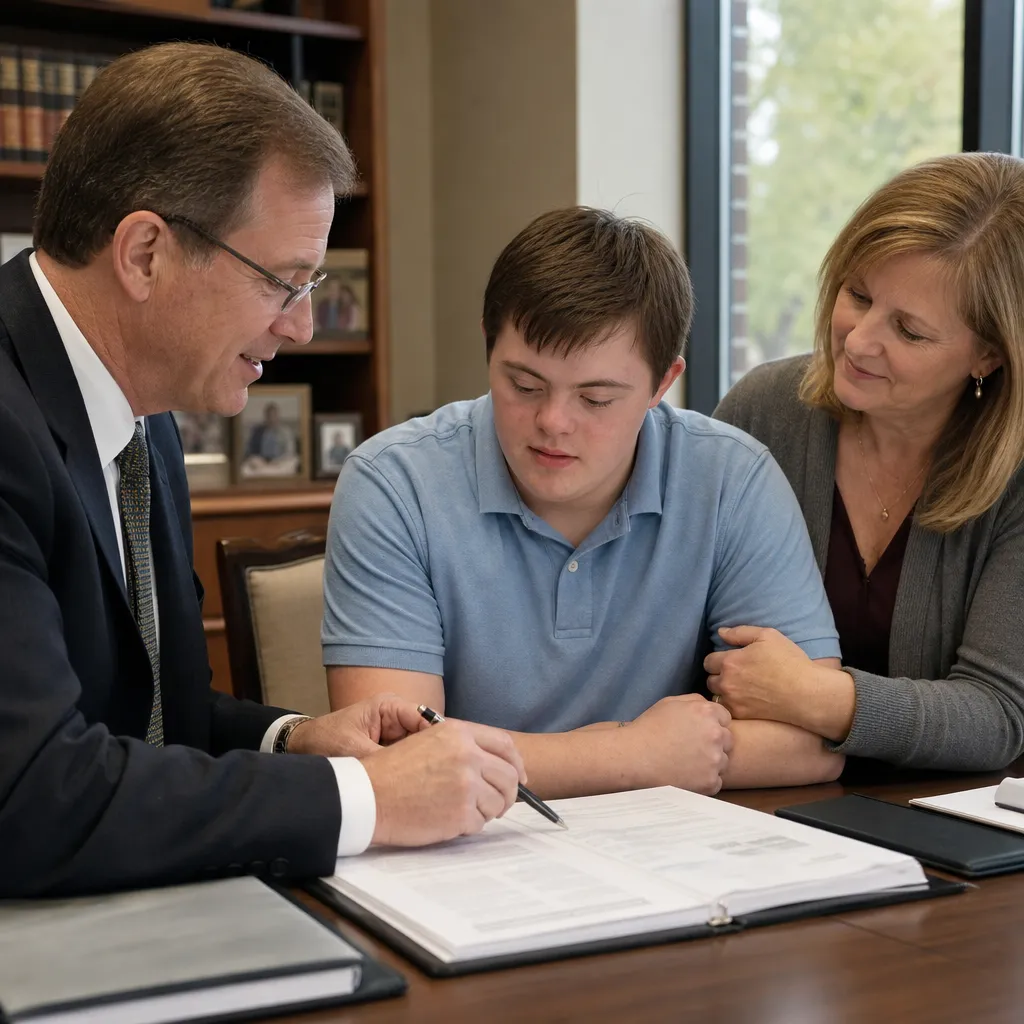
The process begins with an initial consultation where we listen and ask detailed questions. We need to understand your child's diagnosis, their current benefit status, their anticipated care needs, your family structure, and your financial situation. This conversation typically lasts 45 minutes to an hour, and we encourage you to bring notes or questions you've been thinking about.
After the consultation, we prepare a proposal outlining the planning strategy we recommend, including the trust structure, how assets will flow into the trust, recommended trustee roles, and our fees. We're transparent about costs upfront so there are no surprises.
Once you approve the strategy, we prepare your custom trust documents. For special needs planning, this typically includes the special needs trust itself, pour-over will provisions, beneficiary designation review and recommendations, and a detailed trustee instruction letter explaining how to manage the trust and coordinate with government benefits.
We then schedule a signing appointment where we walk through each document with you, answer remaining questions, and ensure everything is executed properly. California law requires certain formalities for trusts to be valid, and we handle all of that.
After signing, we help you with the final critical step: funding the trust. This means retitling assets (such as real estate, investment accounts, and bank accounts) so they're owned by the trust. We coordinate with your financial institutions and provide all necessary paperwork to complete the transfer.
Throughout this process, we explain each step in plain English and answer every question. Our goal is for you to feel confident and informed, not confused or overwhelmed.
Questions Families Ask About Special Needs Trust Administration
Once your special needs trust is in place, families naturally have questions about how it will work over time.
"What exactly can the trustee spend money on?" The trustee can pay for any expense that supplements government benefits without disqualifying your child from SSI or Medi-Cal. This includes therapy, education, equipment, recreation, travel, housing improvements, and personal care items. The trustee cannot pay for food, shelter, or medical care that Medi-Cal covers, as these payments could trigger benefit reductions. We provide a detailed trustee instruction letter that clarifies these boundaries.
"What happens if my child gets better or their situation changes?" Special needs trusts are flexible. The trustee can adjust spending based on your child's evolving needs. If your child's condition improves, spending can decrease. If needs intensify, spending can increase. The trust remains in place for your child's lifetime, adapting as circumstances change.

"What if I want to leave money to multiple children but only one has special needs?" We address this through careful planning. You can maintain separate trusts for each child, name the special needs trust in your will, and direct other assets to your other children. Alternatively, some families use a master trust with subtrusts for each child, which simplifies administration.
"Who should be the trustee?" Many families appoint an adult child as trustee, especially if that sibling has financial expertise. Others name a professional trustee or corporate trustee (such as a bank or trust company). Some families use a co-trustee arrangement with both a family member and a professional. There's no single right answer; it depends on your family dynamics and your comfort level.
"What about taxes?" Special needs trusts are generally tax-neutral, but there are important considerations. We discuss these during planning and recommend that your trustee work with a tax professional to file required trust tax returns and handle deductions properly.
Why Santa Clara County Families Choose Our Estate Planning Services
We've become the trusted special needs planning lawyer for families throughout Santa Clara County for specific reasons.
First, we specialize in this work. Special needs planning isn't a side service we offer; it's a core focus of our practice. We stay current on California law changes, federal SSI and Medi-Cal rules, and best practices in trust administration. This expertise means we spot issues and opportunities that a general estate planning attorney might miss.
Second, we combine authoritative legal guidance with genuine compassion for your family's situation. We understand that special needs planning carries emotional weight alongside the legal complexities. We take time to listen, we explain things clearly, and we genuinely care about your child's wellbeing.
Third, we provide comprehensive planning. We don't just draft a trust in isolation; we integrate special needs planning with your overall estate plan, your best estate planning lawyer Santa Clara strategy, and your family's goals. This holistic approach ensures everything works together seamlessly.
Fourth, our clients appreciate our transparency and accessibility. We're available to answer questions, we explain our process upfront, and we stand behind our work. Many of our special needs planning clients refer family members and friends because they've experienced the quality and care we provide.
Getting Started With Your Special Needs Trust Today
If you have a disabled family member and you don't yet have a special needs trust in place, the time to act is now. Not eventually. Not next year. Today.
The longer you wait, the greater the risk that something unexpected happens before your planning is complete. A sudden illness, accident, or other event could leave your child vulnerable and your wishes unknown.
Starting is simple. Call us to schedule an initial consultation. During that call, we'll discuss your situation, answer your initial questions, and explain exactly what special needs planning looks like for your family. There's no pressure and no obligation; we simply want to understand your needs and share how we can help.
Bring any documents you have related to your child's current benefits, medical care, or existing estate plans. If you've thought about who should serve as trustee or what assets you want to use, jot those notes down. The more prepared you are, the more we can accomplish during the consultation.
We know special needs planning can feel overwhelming when you're facing it alone. But you don't have to face it alone. We've guided hundreds of families through this process, and we know the questions you're asking, the worries you're carrying, and the outcomes that matter most. Let us help you build a secure financial future for your child. Contact us today to get started.